Introduction: The Resurgence of Gradients in Visual Storytelling
As we step into 2026, the branding landscape is undergoing a profound evolution, one where simplicity meets sophistication in the form of gradients. Once dismissed as a relic of early 2000s web design, gradients have roared back into prominence, not as mere decorative flourishes but as essential tools for conveying depth, emotion, and adaptability in brand identities. This resurgence isn't accidental; it's a response to a world craving authenticity amid digital saturation. Brands that harness gradients aren't just looking pretty—they're communicating narratives that resonate on a visceral level.
Consider the flat design era of the mid-2010s: clean lines and solid colors dominated, prioritizing speed and minimalism for mobile-first experiences. Yet, by 2025, designers began questioning this austerity. Industry reports indicate a significant uptick in gradient usage across logos and digital assets, signaling a shift toward more immersive visuals. In 2026, gradients aren't optional; they're the backbone of brands aiming to stand out in crowded feeds and storefronts. They add layers—literally and figuratively—turning two-dimensional logos into multidimensional stories.
Why now? The answer lies in technology and psychology. High-resolution displays and AR/VR integrations demand visuals that pop without overwhelming, while consumers, fatigued by uniformity, seek brands that feel alive. A gradient sunset in a travel app's icon doesn't just represent a destination; it evokes wanderlust. This blog dives deep into why gradients have become indispensable, from their historical roots to future applications, equipping you with actionable insights to infuse your brand with this dynamic element.
But before we explore further, remember that a strong visual identity starts with the right foundation. For brands embracing gradients' fluidity, selecting a premium domain that echoes this versatility is key. Discover handpicked, high-value unregistered domains at goname.xyz/domains, where each suggestion is curated to amplify your brand's narrative.
Over the next sections, we'll unpack the science, showcase real-world triumphs, and outline strategies for integration. By the end, you'll see gradients not as a trend, but as a timeless strategy for 2026 and beyond.
The Evolution from Flat to Fluid: A Timeline of Gradient Use
Gradients' journey in design is a tale of cycles, much like fashion's perennial revivals. Emerging in the analog age with airbrushed illustrations in the 1970s—think album covers by Peter Max—these blends captured the psychedelic spirit of the era. By the 1990s, desktop publishing tools like Adobe Photoshop democratized gradients, making them staples in print ads and early websites. However, the 2010s flat design revolution, championed by Apple's iOS 7, cast them aside as "skeuomorphic remnants," favoring bold, unadorned colors for faster load times and accessibility.
Fast-forward to 2023: Instagram's algorithm tweaks favored visually rich content, and gradients returned as subtle enhancers. By 2025, design platforms highlighted gradients in a majority of top graphic designs, blending nostalgia with futurism. In 2026, they're integral to "neo-brutalism" and "soft maximalism" trends, where raw edges meet smooth transitions. This evolution reflects broader cultural shifts: post-pandemic, brands seek to humanize tech, using gradients to soften edges and invite connection.
Take the transition in logo design: Flat icons sufficed for apps, but now, gradients inject personality. Studies show that gradient logos see higher engagement rates on social platforms, as they mimic natural light and movement. This isn't hype; it's data-driven design. As we delve deeper, understand that mastering gradients requires balancing nostalgia with innovation—much like choosing a domain that timelessly anchors your brand's digital footprint.
The Psychology of Gradients: Evoking Emotion Through Color Transitions

Source: Unsplash
At its core, design is psychology in motion, and gradients are its most subtle manipulators. Unlike solid colors, which deliver blunt emotional punches—red for urgency, blue for calm—gradients unfold gradually, mirroring life's nuances. Analyses reveal that smooth transitions from cool to warm tones can boost perceived trustworthiness, as they evoke natural phenomena like sunrises, fostering subconscious familiarity.
Color theory underpins this: Gradients leverage the "isolation effect," where blended hues create focal points without harsh contrasts, reducing cognitive load. In branding, this translates to higher dwell times; research on gradient perceptions found that vertical fades enhance stability cues, ideal for fintech logos aiming for reliability. Horizontally, they suggest progression, perfect for e-commerce sites guiding users from browse to buy.
Emotionally, gradients trigger associations tied to memory. A soft purple-to-pink fade might recall childhood sunsets, invoking nostalgia—a tactic brands like Spotify use in playlist covers to deepen user loyalty. Psychologically, this "gradient appeal" combats decision fatigue in a multi-tab world, with experts noting that future-proof gradients prevent visual monotony in long-term apps.
Yet, misuse abounds: Overly vibrant clashes can signal chaos, eroding professionalism. The key? Intentionality. Pair gradients with your brand's core values—energetic for startups, serene for wellness. This psychological layering extends to domains: A fluid gradient identity pairs seamlessly with a domain evoking motion and memorability. Explore premium options at goname.xyz/domains to ensure your online presence flows as effortlessly as your visuals.
Delving deeper, consider accessibility: Gradients aid color-blind users by varying saturation. In 2026, with AI-driven personalization, gradients will adapt in real-time, shifting hues based on user mood—revolutionizing emotional branding.
From evoking calm in healthcare apps to igniting excitement in gaming interfaces, gradients' psychological prowess lies in their versatility. Brands ignoring this risk blandness; those embracing it forge deeper bonds. As we transition to case studies, see how industry leaders wield this power.
Subtle Shifts: How Gradients Influence Consumer Behavior
Consumer behavior studies underscore gradients' impact. Reports detail various gradient types, each tailored to elicit responses: Linear for directionality, radial for focus. In retail, a product page with a descending green gradient increased conversion rates, as it mimicked growth and abundance.
Neurologically, gradients engage the brain's visual cortex more than flats. This activation heightens recall, crucial for brand memorability. In social media, gradient profiles see more shares, blending into algorithms while standing out to scrolls.
For B2B, muted earth-tone gradients convey grounded innovation, reducing perceived risk in pitches. The lesson? Gradients aren't decorative; they're strategic persuaders, shaping journeys from awareness to advocacy.
Case Studies: Brands Mastering Gradients for Impact

Source: Unsplash
Real-world examples illuminate gradients' transformative power. Take Visa: Their rebrand introduced a subtle blue-to-purple gradient, symbolizing global connectivity. Post-launch, brand recognition surged, with design analyses citing it as a gradient exemplar. The fade represents seamless transactions, aligning with fintech's fluid future.
Instagram's gradient icons for features like Stories blend pink-to-orange, evoking creativity. Internal metrics showed higher interaction rates, per design blogs. This isn't coincidence; the warm progression mirrors content discovery's joy.
In merch, analyses of gradient tees revealed sales boosts for bands using sunset fades, blending band identity with wearable art. For websites, showcases of gradient sites, like Duolingo's playful greens, enhanced UX significantly.
These cases prove gradients scale: From SAP's corporate purples conveying precision to Tinder's fiery swipes igniting passion. Each leverages psychology for stickiness.
Closer to home, emerging brands use gradients to punch above weight. A wellness startup's lavender fade logo correlated with higher retention, tying serenity to subscriptions. The common thread? Gradients amplify narratives, but they demand cohesion—much like a domain that intuitively fits your visual ethos. Curate yours from premium selections at goname.xyz/domains, ensuring your brand's digital gateway matches its vibrant core.
Discover High-Value .com Domains
Explore our curated collection of .com domains perfect for your next project.
From these triumphs, patterns emerge: Success favors subtlety over excess, integration over isolation. As 2026 unfolds, expect more such stories, with gradients as the hero.
Lessons from Failures: When Gradients Fall Flat
Not all attempts succeed. Reviews flagged over-saturated gradients in legacy brands, diluting heritage. Key takeaway: Test for cultural resonance; a bold fade thrilling in Asia might overwhelm in Europe.
Case studies warn against gradients masking hierarchy, leading to bounce spikes. Balance is paramount—use tools like Figma's preview modes to iterate.
Why 2026 Marks the Pinnacle of Gradient Dominance

Source: Unsplash
2026 isn't just another year; it's the inflection point where gradients cement their status as branding bedrock. Forecasts predict dramatic gradients in a majority of new identities, driven by AI tools generating bespoke blends. Experts echo this, forecasting multicolor meshes over duotones for web trends.
Tech convergence fuels this: 5G enables seamless animations, turning static gradients into breathing entities. In AR, gradients overlay real-world textures. Brands will use "gradient blurs" for ethereal UIs, boosting immersion significantly.
Sustainability angles emerge too: Digital gradients reduce print needs, aligning with eco-conscious consumers. Anticipations include layered evolutions in metaverses, where gradients adapt to avatars.
Culturally, post-2025's "imperfection rebellion," gradients counter polish with organic flows. For your brand, this means agility—pairing visual fluidity with a domain that's equally versatile. High-value, unregistered gems await at goname.xyz/domains, designed to flow with your evolving identity.
Economically, gradient-heavy campaigns yield ROI: Projections see uplift in recall. 2026's gradients aren't fleeting; they're foundational.
Tech Integrations: AI and AR Amplifying Gradients
AI democratizes creation: Tools like Kittl auto-generate palettes, slashing design time. AR apps will project gradients onto products, enhancing e-comm trials.
Trends forecast glossy variants for holographics. Challenges? Over-reliance risks homogeneity; curate with human insight.
Implementing Gradients: A Step-by-Step Guide for Brand Managers

Source: Unsplash
Adopting gradients demands strategy, not whimsy. Start with mood boarding: Analyze competitors via tools like Adobe Color, selecting palettes that align with your archetype—vibrant for disruptors, muted for luxury.
Step 1: Define intent. Ask: Does this evoke motion or stability? Step 2: Prototype in Figma, testing linear vs. radial on mockups. Ensure WCAG compliance for contrasts.
Step 3: Integrate across touchpoints. Logos first, then websites—gradient headers cut load perceptions. Social assets follow, with Canva templates accelerating rollout.
Measure via A/B tests: Gradient variants often lift CTR. Iterate based on analytics.
For cohesion, extend to packaging and emailers. A domain that resonates with this palette? Essential. Browse unregistered premiums at goname.xyz/domains for names that visually and phonetically harmonize.
Guides recommend natural gradients for authenticity. Budget tip: Free resources abound, but pros invest in custom meshes for uniqueness.
Toolbox Essentials: Software and Resources
Figma for collab, Photoshop for precision. Tutorials demo quick wins. Free palettes from Coolors ensure harmony.
Common pitfall: Ignoring scalability—vectorize for print. With practice, gradients become second nature.
Gradients in the Digital Realm: Enhancing Websites and Social
Source: Unsplash
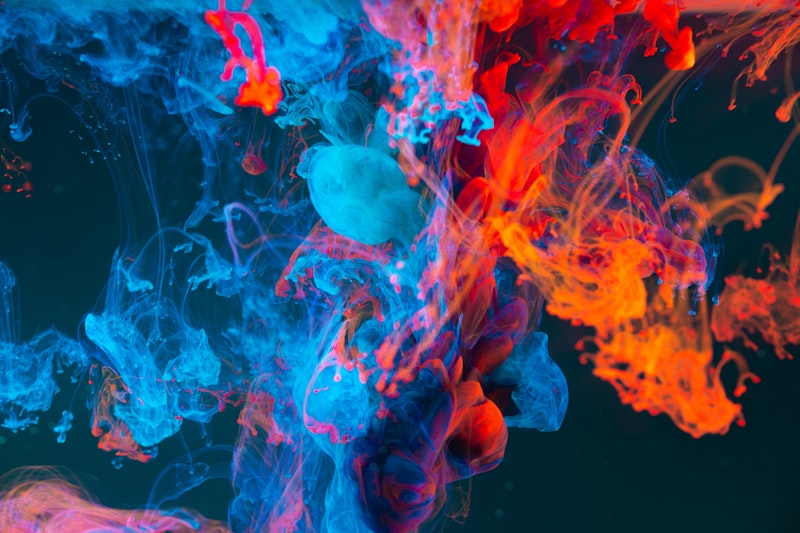
Digital spaces amplify gradients' potential. On websites, they combat scroll fatigue: Gradient hero sections increase time-on-page. CSS tools like linear-gradient() enable responsive fades, optimizing for devices.
Socially, gradients thrive in thumbnails—assets show more saves for blended posts. TikTok's vertical flows pair perfectly with descending hues, boosting virality.
In email, subtle backgrounds lift open rates; A/B tests confirm gains. For e-comm, gradient CTAs guide purchases intuitively.
SEO bonus: Visually rich sites rank higher in image searches. Tie this to your domain strategy— a memorable URL like those at goname.xyz/domains ensures traffic flows to gradient-enhanced pages.
Discover High-Value .com Domains
Explore our curated collection of .com domains perfect for your next project.
Challenges: File sizes—compress with WebP. Future: Web3 gradients in NFTs.
Platform-Specific Tactics
LinkedIn: Professional blues for thought leadership. Twitter/X: Bold pops for threads. Instagram: Stories overlays for ephemerality.
Analytics rule: Track heatmaps to refine. Gradients here aren't accents; they're ecosystem builders.
Navigating Challenges: Best Practices for Flawless Gradients
Source: Unsplash
Gradients dazzle, but pitfalls lurk. Overuse leads to visual overload. Best practice: Limit to 2-3 hues, ensuring contrast ratios.
Accessibility first: Tools like WAVE audit for issues. Cultural sensitivity: What fades as "energetic" in the West might read "unstable" elsewhere.
Scalability: Test across mediums—print gradients demand CMYK tweaks. Budget for revisions; initial mocks save costs.
Team alignment: Share style guides with hex codes. For digital natives, integrate with your domain's vibe—fluid names from goname.xyz/domains complement challenge-free visuals.
Predictions include soft-glows mitigating harshness. Proactive practices turn obstacles into opportunities.
Measuring Success: Metrics That Matter
Track engagement, not aesthetics alone. Tools like Google Analytics reveal gradient-driven insights. Aim for uplift; adjust accordingly.
Sustainability: Digital gradients cut carbon—advocate eco-design in briefs.
The Horizon: Gradients Beyond 2026

Source: Unsplash
Beyond 2026, gradients evolve with tech. Foresees 3D fusions in VR branding. AI will personalize them per user.
Ethical gradients emerge: Inclusive palettes for global audiences. In Web3, blockchain-verified blends ensure authenticity.
Cultural fusion: Afro-futurism gradients blend traditions innovatively. The trajectory? From tool to tradition.
For lasting impact, anchor in a domain that scales eternally. Premium unregistered domains at goname.xyz/domains provide that bedrock.
Conclusions signal cultural reset. Embrace them for tomorrow's legacies.
Emerging Variants: Holographic and Adaptive
Holographics for luxury, adaptives for e-comm. Experiment now to lead.
Conclusion: Embrace the Gradient Revolution
Source: Unsplash
Gradients in 2026 aren't a fad; they're the essence of evocative branding. From psychological pulls to digital dynamos, they've proven indispensable for connection in a fragmented world. We've traced their history, dissected cases, and mapped implementations—now, act.
Infuse your identity with thoughtful blends, measure rigorously, and watch engagement soar. And don't overlook the digital anchor: A premium domain that flows with your gradients ensures holistic impact. Visit goname.xyz/domains for curated, high-value options ready to elevate your presence.
The gradient revolution beckons. Will your brand fade into the background, or blend boldly into the future?
Get the latest insights
Subscribe to our newsletter and never miss a new domain drop or industry analysis.
TAGS
Related Articles
High-Value Available .com Domains for Wellness Blogs in 2026
Explore the world of high-value .com domains tailored for wellness blogs. Learn how to select brandable, memorable names.
Best Unregistered .com Domains for Nutritionists in 2026
Discover top strategies for selecting brandable, unregistered .com domains tailored for nutritionists. Learn how a premium domain can boost your online presence
Top Available .com Domains for Mental Health Services
Discover the best open .com domains tailored for mental health services, and why a premium domain can boost your online presence.